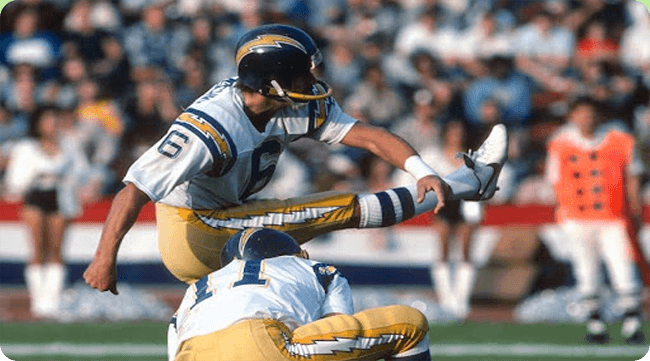
Would not choose my life without my ostomy… even if I could
Maybe even seeing the word “gratitude” might make you want to stop reading or perhaps burst out in laughter at the thought of EVER being grateful for your ostomy. Hear me out here. I’ve shared with you that our family has dealt with quite a bit of trauma. In addition to my difficult ostomy journey, I later contracted Hepatitis C from blood transfusions given to me during one of my four abdominal surgeries. I didn’t discover this until almost twenty years later during a routine physical. Fortunately, the pharma industry was starting to develop drugs to treat Hepatitis C, so I immediately enrolled in one that involved daily injections of interferon for a year which wreaked havoc on my body and my mind. Unfortunately, that initial trial failed as did another one. But, the third clinical trial worked, and I was cured of the virus.
Early in our marriage, my wife and I also agonized through several miscarriages and a stillbirth, and ultimately ended up with four children, three with special needs. Our daughter, who has mild cerebral palsy from a premature birth, and two of our sons who were adopted from Russia, came with very severe physical and emotional challenges. I tell you all this because I want you to know I’m speaking from experience about the impact trauma can have on your life – for better or worse.
I have been blessed to be old enough now to have the opportunity to look back at my life and see the “upside” of all the trauma God allowed me to experience. Without a doubt, it changed our lives and gave me a purpose that is much more rewarding and fulfilling than just kicking a football ever was. Creating this support program to encourage people like you is just an example!
It’s likely too soon for you to see the “upside” in your own life quite yet, but I want you to hang in there. It will take some time for you to see it, but I promise – your “upside” experience will come!
Former NFL Kicker, Walter Payton Man of the Year, Grateful Ostomy Patient
Surfing, Sky Diving, Fire Dancing with an ostomy
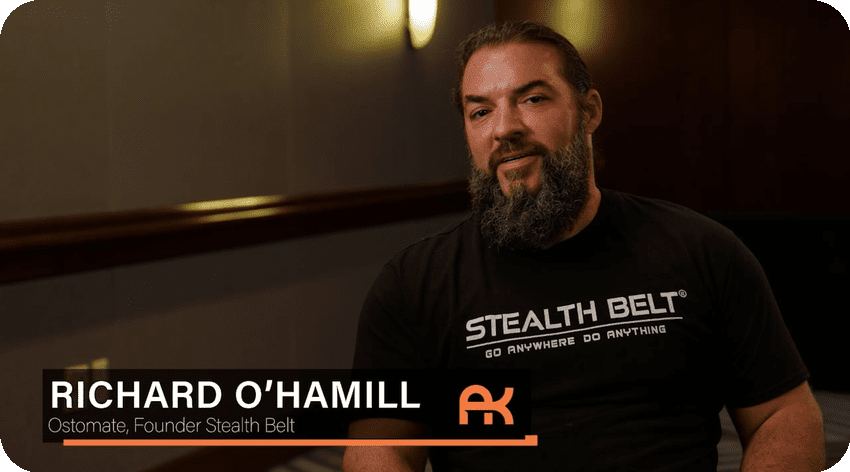
Today I’d like to introduce you to my friend, Richard O’Hamill, the CEO of StealthBelt, an ostomy belt he created to conceal and support his ostomy appliance so that he could go anywhere and do anything he wanted…confidently. (swimming, water skiing, surfing, sky diving, fire dancing – he does it all!)
Potential Complications
May be preventable if you recognize the warning signs early and take the appropriate action
1. Skin problems. Peristomal skin is the skin surrounding your stoma and should look and feel just like the skin on the rest of your abdomen (not irritated or red). Learn more about how to care for your peristomal skin and catch any problems early so they can be addressed.
2. Hernia. This happens when an organ or other tissue pushes through your abdominal muscles and creates a bulge. Since having ostomy surgery increases your risk of developing a hernia, you will want to follow these guidelines:
• Limit your lifting to 5-10 lbs. for the first 4-6 weeks post-surgery (or as directed by your surgeon) and always use proper lifting technique.
• Support the area around your stoma if you sneeze, cough, or laugh by squeezing a folded blanket or pillow.
Learn more about hernias and how to protect yourself here.
Hear Nurse Melody talk about hernias and how to prevent them here.
3. Urinary Tract Infection (UTI). About 25% of patients with a urostomy have a urinary tract infection (UTI) each year. The symptoms usually are fever, pain, and strong-selling urine. Diabetes increases the risk of a UTI.
• Drink at least 8 glasses of fluids each day.
• Eat food and drink fluids that inhibit the growth of bacteria. Examples include cranberry juice, blueberries, peppers, cherries, tomatoes, and sweet potatoes.
CALL YOUR HEALTH CARE PROVIDER IMMEDIATELY IF YOU THINK YOU HAVE A UTI
4. Dehydration. Dehydration is a common reason why patients with a urostomy return to the hospital. Dehydration occurs when your body loses more fluid than it takes in.
Signs of dehydration:
• Being thirsty
• A dry mouth
• Decreased urine output
• Dizziness when standing up
• Muscle or abdominal cramps
5. Diarrhea. is common because part of your intestine was removed and re-routed to make the urinary diversion. This can affect the absorption of fluids from your intestine, resulting in watery stools. Vomiting and nausea are also common in the first few weeks following a urostomy. Patients often report having a loss of appetite and experience weight loss.
6. Nausea/Vomiting . following a urostomy, patients sometimes report weight loss, tasting food differently and feeling nausea or full soon after eating. It is not unusual to lose 15-20 pounds after surgery.
Learn more about hydration from our dietitian, Danielle.
A tragic motorcycle accident left Beth with an ostomy and an amputated left leg. She now loves to bike with her husband, sit skiing, swimming and she even attended Mermaid Camp!
As a full contact rugby player at Harvard, Cass Bargell was fit and strong and at the top of her game until her severe abdominal cramps put her on the sidelines. Read the story of Cass’ remarkable comeback from ostomy surgery here.
Read the story of Cass’ remarkable comeback from ostomy surgery here.
You can do ANYTHING with your ostomy!
– Conner Reese –
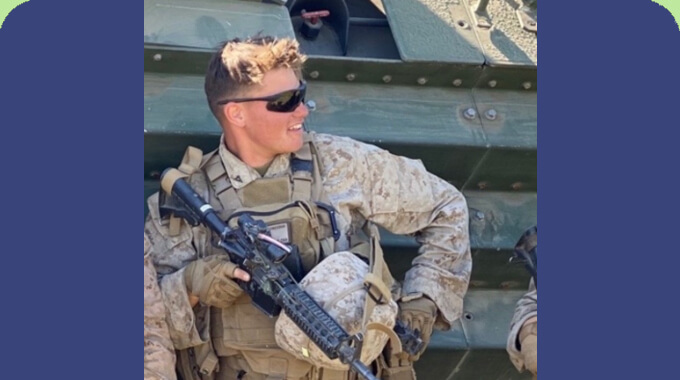
Conner had a lifelong dream of following in his father’s footsteps and enlisted in the United States Marines right after high school. He showed great promise and was excited about his future until his severe UC derailed that dream with ostomy surgery. He’s now pursuing a career in medicine to help patients learn to embrace their ostomy life.
Getting to know your ostomy – What could go wrong?
What to do if you notice blood around your stoma or in your pouch?
Don’t be concerned if you notice a small amount of blood on your washcloth while cleaning around your stoma. The stoma has a rich blood supply and bleeds easily. The bleeding should stop on its own or you can hold a small amount of pressure on it with a cloth or gauze for a few minutes.
If you have bleeding into your pouch or mixed with your stool that is heavy, persistent or comes from inside your stoma (internal) seek medical attention from your physician immediately or go to the emergency room.
1. Try to figure out where the bleeding is coming from:
• The stoma itself?
• The skin around the stoma?
• Through your stoma from inside your bowel?
2. Reasons for minor bleeding that may occur:
• Trauma to the stoma (i.e. rubbing against a seat belt) (Avoid tight fitting clothing/belts over the stoma, decrease friction and trauma).
• Raw irritated skin around the stoma from too much exposure to output can bleed. (Make sure your stomal opening in your pouching system is not too large. Consider adding a barrier ring around your stoma)
• Granulomas are red, raised areas around the stoma that can bleed easily. Read more about granulomas here.
• Consult your ostomy nurse for possible treatment with silver nitrate application if appropriate. Find a WOC nurse HERE or HERE.
• Taking blood thinners or anticoagulants such as Warfarin or Aspirin can increase your risk of bleeding.
Embracing Ostomy Life Goals
Goals for Today
• Know the reasons you may see blood around your stoma or in your pouch and when to seek medical guidance.
• Spend a few minutes today and think of some things you are grateful for. It could be big things like the talent of your surgeon or the love of your caregiver. Or it could be smaller things you haven’t thought much about, like the sun on your face or the rustle of the trees’ leaves in the breeze. You might even write them down so you can add to your list in the future and look back at your blessings when you are feeling down.
We offer our sincerest thanks to Joan Scott — a kind ostomate and brilliant writer — for allowing us to include excerpts of, her book, “The Ostomy Raft”, in Alive & Kicking. To purchase a copy filled with tons of practical tips for living with an ileostomy or colostomy, click the button below.
Rolf Benirschke is a former NFL Man of the Year and All-Pro placekicker who played 10 seasons in the NFL for the San Diego Chargers. His career was briefly interrupted when he was diagnosed with Crohn’s Disease that required ileostomy surgery in his third season. Remarkably, Rolf returned to play seven more years with the Chargers, becoming the first ever professional athlete to play with an ostomy appliance. He has been an outspoken champion of the ostomy community for the past 40 years and created Embracing Ostomy Life™ to provide the hope, education and encouragement to ensure that no one goes through ostomy surgery alone.
Join Team HOPE
Do you wish you could connect with someone like you who has an ostomy and similar life goals? You can! Our Team HOPE (Helping Ostomates through Peer Encouragement) program can pair you with a volunteer who has an ostomy that will listen, empathize and suggest resources to help you along your journey.