You likely are anxious to get back to being able to take care of yourself and may be feeling frustrated about still needing so much help from your caregiver. Hang in there and be patient! Each day you are getting stronger and moving toward independence. Hopefully, you have settled into a routine at home, and are able to remember and apply the lessons I learned and shared from the POWs that were absolutely the key to my own recovery. (See video below.)
1) Get through today – tomorrow will take care of itself and a week from now is an eternity away. That’s where you are in your journey! Your job right now is to get through the day. Don’t allow your mind to wander – can I play tennis, swim, play with my grandchildren – YES YOU WILL BE ABLE TO! Trust me – you will get there but you aren’t there yet…and need to stay focused on the present.
2) Set some small achievable goals for yourself this week – walk twice as far, sit up in the chair a little longer, change your pouch on your own.
• When your stoma was created during surgery an incision was made into your abdominal muscle which allowed the bowel to be brought up through it to form the stoma. That muscle is now weakened and at risk for a parastomal hernia (bowel protruding through the muscle layer near the stoma.) A parastomal hernia would appear like a bulge or lump under the skin that may protrude further when you cough. A hernia could cause discomfort or make it harder to keep your ostomy pouch intact. Make sure you understand any lifting and exercise restrictions that your doctor and medical team have given you. Consult your medical team before beginning exercises. Watch this video to learn how to decrease your risk for developing a hernia.
• Taking a shower or a bath can be a quick way to make you feel better. We’ve got some helpful tips for you here.
• If you are experiencing any problems with your ostomy, find a WOC nurse who can help you. Find a WOC nurse here or here.
Food and Nutrition
• Some foods can change the color of the stool. For example, beets and foods with red dye will change the color of your stool while asparagus, broccoli, spinach may darken your stool.
• When you begin to add more variety back into your diet, add only one new food every few days. If there are foods that bothered you before surgery, eat only small portion sizes when you re-introduce this food again. If a food causes any discomfort, wait a few weeks and then try it again. Keep a log of the new foods you try and how you feel when eating them.
• To reduce gas, avoid chewing gum, drinking with straws, drinking carbonated beverages, smoking or chewing tobacco, eating too fast, and skipping meals. Missing meals can cause the small intestine to be more active and increase gas and watery stools. The “lag time” from eating a gas-producing food to the actual release of gas is generally between two and four hours for ileostomy patients, and six to eight hours for colostomy patients.
Potential Complications
Be vigilant so you can stay out of the hospital
These potential complications may be preventable if you recognize the warning signs early and take the appropriate action.
1. Dehydration. One out of three ileostomy patients will be readmitted to the hospital for dehydration within 30 days of their operation. Learn how to stay hydrated here.
Learn more about hydration from our dietitian, Danielle.
2. Skin problems. Peristomal skin is the skin surrounding your stoma and should look and feel just like the skin on the rest of your abdomen (not irritated or red). Learn more about how to care for your peristomal skin and catch any problems early so they can be addressed.
3. Hernia. This happens when an organ or other tissue pushes through your abdominal muscles and creates a bulge. Since having ostomy surgery increases your risk of developing a hernia, you will want to follow these guidelines:
• Limit your lifting to 5-10 lbs. for the first 4-6 weeks post-surgery (or as directed by your surgeon) and always use proper lifting technique.
• Support the area around your stoma if you sneeze, cough, or laugh by squeezing a folded blanket or pillow.
Learn more about hernias and how to protect yourself here.
Hear Nurse Melody talk about hernias and how to prevent them here.
4. Problem Solving. You may encounter problems like skin irritation, leaks, no output and others. Click here for more details.
5. Medical Emergencies.Review this list so you will know when to call your surgeon/nurse or go to the nearest emergency room.
Embracing Ostomy Life Goals
Goals for Today
• Continue building up your endurance by walking regularly.
• Begin gentle core muscle exercises with your medical team’s approval. Start small and build up at your own pace.
A series of intestinal muscle contractions, like waves, that move digesting food through the digestive tract.
Don’t Worry about Tomorrow
Thoughts for Today
• As you wrestle with the changes that come along with your ostomy, you might begin to wish for your “old life,” pre-surgery. If so, think about what you are truly missing about it…but don’t forget the pain, lack of control, maybe your cancer diagnosis, need to know where every restroom is, etc.…and remember that the choice/need to have an ostomy was not reached lightly. Give yourself some grace as you wrestle with these feelings…they are completely natural. Dr. Joga Ivatury, colorectal surgeon, discusses how to recover “better.”
• Remind yourself frequently that the steps you take today will determine your future habits. Resolve to do one positive thing today — whether it be a positive or hopeful thought, reaching out to a trusted friend, or honestly checking in with your feelings— that you can build on as you create your new normal.
How helpful was today’s message for your recovery?
We offer our sincerest thanks to Joan Scott — a kind ostomate and brilliant writer — for allowing us to include excerpts of, her book, “The Ostomy Raft”, in Alive & Kicking. To purchase a copy filled with tons of practical tips for living with an ileostomy or colostomy, click the button below.
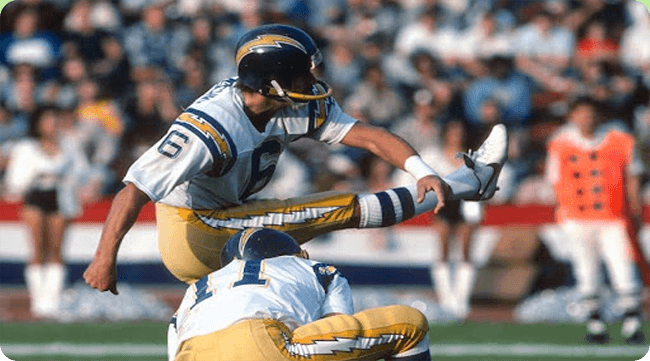
Rolf Benirschke is a former NFL Man of the Year and All-Pro placekicker who played 10 seasons in the NFL for the San Diego Chargers. His career was briefly interrupted when he was diagnosed with Crohn’s Disease that required ileostomy surgery in his third season. Remarkably, Rolf returned to play seven more years with the Chargers, becoming the first ever professional athlete to play with an ostomy appliance. He has been an outspoken champion of the ostomy community for the past 40 years and created Embracing Ostomy Life™ to provide the hope, education and encouragement to ensure that no one goes through ostomy surgery alone.
Join Team HOPE
Do you wish you could connect with someone like you who has an ostomy and similar life goals? You can! Our Team HOPE (Helping Ostomates through Peer Encouragement) program can pair you with a volunteer who has an ostomy that will listen, empathize and suggest resources to help you along your journey.