The first few weeks after any surgery are difficult and may leave you emotionally drained, in physical pain, and feeling overwhelmed at what might look like a long journey of recovery. What I have learned from personal experience and from speaking with many patients is to recognize that “It takes small steps to climb the mountain” and that every step is important. Doing nothing does not help…doing anything does. So, today set a small goal and achieve it…and do the same tomorrow…and know your climb up the mountain has begun. Get up and get dressed for the day, focus on today and don’t worry about tomorrow.
Although you still have a way to go in your recovery, take a moment to envision the day when you’re fully recovered. Is the image clear? The brain does not always differentiate between real and vividly imagined experiences, because the same systems in the brain are deployed for both types of experiences. To give your body and mind a target goal, clearly visualize your end state, which will be awesome! Play this visualization back to yourself whenever you need motivation. You will get back to the things you love!!
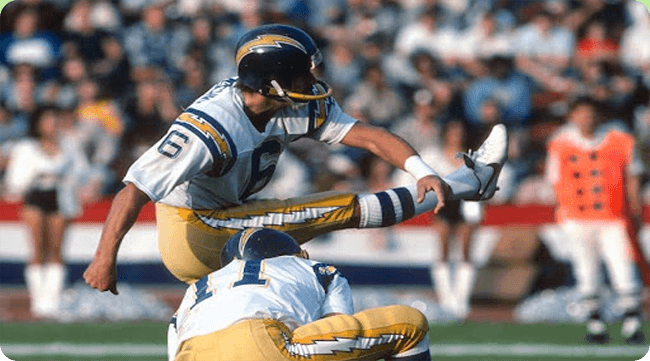
Former NFL Kicker
Former NFL Kicker, Walter Payton Man of the Year, Grateful Ostomy Patient
Small Steps = Success
Josh Nelson, C-130 Air Force Pilot shares how he used small steps to stay motivated after his ostomy surgery.
Roadmap to Recovery
Take a few more steps today than you did yesterday.
• Continue to manage your pain. It’s easier to stay ahead of the pain than to try to catch up.
• You may feel quite tired and weak, which is completely normal after surgery. Your abdomen may feel especially tender.
• Map out a short “walking course”- to the refrigerator, to the back door, to the mailbox and back. Something you can do multiple times each day. Check out this video from physical therapist, Heather, to help you meet your walking goals.
• It’s important to support and protect your abdominal area as you recover. Watch this video to learn how to brace yourself if you have to cough or sneeze or laugh.
Food and Nutrition
Continue to add foods to your diet as instructed. Learn more about food guidelines for your type of ostomy surgery here. Initially, you will want to eat frequent small meals throughout the day instead of 2-3 larger meals.
These potential complications may be preventable if you recognize the warning signs early and take the appropriate action.
1. Dehydration. One out of three ileostomy patients will be readmitted to the hospital for dehydration within 30 days of their operation. Learn how to stay hydrated here.
Learn more about hydration from our dietitian, Danielle.
2. Skin problems. Peristomal skin is the skin surrounding your stoma and should look and feel just like the skin on the rest of your abdomen (not irritated or red). Learn more about how to care for your peristomal skin and catch any problems early so they can be addressed.
3. Hernia. This happens when an organ or other tissue pushes through your abdominal muscles and creates a bulge. Since having ostomy surgery increases your risk of developing a hernia, you will want to follow these guidelines:
• Limit your lifting to 5-10 lbs. for the first 4-6 weeks post-surgery (or as directed by your surgeon) and always use proper lifting technique.
• Support the area around your stoma if you sneeze, cough, or laugh by squeezing a folded blanket or pillow.
Learn more about hernias and how to protect yourself here.
Hear Nurse Melody talk about hernias and how to prevent them here.
4. Problem Solving. You may encounter problems like skin irritation, leaks, no output and others. Click here for more details.
5. Medical Emergencies.Review this list so you will know when to call your surgeon/nurse or go to the nearest emergency room.
Embracing Ostomy Life Goals
Goals for Today
• Continue moving toward developing your own independence by emptying your pouch and being an active participant in your next pouch change. Ideally, pouch faceplate changes are every 3 to 4 days. If you have itching or leakage, it is a sign to change your pouch right away to prevent skin breakdown.
• Make sure you are well versed on common ostomy problems. Act quickly if your peristomal skin is starting to itch or look irritated. Learn about common problems and how to handle them here.
• As you start to become more active and the contours around your stoma change, you may need to try a different type of pouch system to ensure a good seal. It’s normal, it’s expected, and you will adapt. Learn more about choosing the proper pouch here.
Make sure you have the best fitting appliance for your ostomy. Hear Nurse Melody and Nurse Joy talk about the trial-and-error process for selecting the best appliance for you.
Ostomy Terms you Want to Know
Hernia
A hernia occurs when an organ or other tissue pushes through the muscle that contains it and creates a bulge. The site of the hernia could be along the line of your incision (incisional hernia) or around your stoma (parastomal hernia). Hernias are common following ostomy surgery. While all hernias are not preventable you can decrease your hernia risk by:
1. Limit your lifting to 5-10 lbs. for the first 4-6 weeks post-surgery (or as directed by your surgeon) and always use proper lifting technique.
2. Support the area around your stoma if you need to sneeze, cough, or laugh with a folded blanket or pillow.
Learn more about hernias and how to protect yourself here.
Hear Nurse Melody talk about hernias and how to prevent them here.
Don’t Worry about Tomorrow
Thoughts for Today
• Play an active role in your recovery. Learn all you can and help teach your own caregivers how to change and care for your ostomy. You may want to practice opening, emptying, and closing a spare pouch. Knowing how to care for your ostomy is a critical first step toward independence and freedom.
• Quickly Correct Negative Behaviors or Habits. Don’t repeat behaviors that produce negative results…like ruminating about what could’ve been…as they can easily distract you and keep you from focusing on where you want to go. Identify them quickly and make changes that will move you closer to your goal of living a full, healthy life.
• Don’t be afraid to grieve. Going through the 5 stages of grieving is a natural process that allows you to ultimately accept your situation and move on. Start that process by recording in your journal as you move from denial, anger, bargaining, depression to acceptance.
How helpful was today’s message for your recovery?
We offer our sincerest thanks to Joan Scott — a kind ostomate and brilliant writer — for allowing us to include excerpts of, her book, “The Ostomy Raft”, in Alive & Kicking. To purchase a copy filled with tons of practical tips for living with an ileostomy or colostomy, click the button below.
Rolf Benirschke is a former NFL Man of the Year and All-Pro placekicker who played 10 seasons in the NFL for the San Diego Chargers. His career was briefly interrupted when he was diagnosed with Crohn’s Disease that required ileostomy surgery in his third season. Remarkably, Rolf returned to play seven more years with the Chargers, becoming the first ever professional athlete to play with an ostomy appliance. He has been an outspoken champion of the ostomy community for the past 40 years and created Embracing Ostomy Life™ to provide the hope, education and encouragement to ensure that no one goes through ostomy surgery alone.
Join Team HOPE
Do you wish you could connect with someone like you who has an ostomy and similar life goals? You can! Our Team HOPE (Helping Ostomates through Peer Encouragement) program can pair you with a volunteer who has an ostomy that will listen, empathize and suggest resources to help you along your journey.