The dog days are tough, and it takes some determination and grit to keep your head down and get through them. You are going to encounter some challenges with your ostomy, it’s not a question of “if” but “when”. You can count on it! But I promise you that no matter where you are today, there are better days ahead. It’s likely still taking longer than you like to change your pouch, and you still may not be able to do it by yourself yet. Hang in there and stick with it. Just like learning any skill, there’s no magical formula — it just takes time and lots of repetition. As EVERY ostomate will tell you, it will soon become quick and routine – just like shaving or brushing your teeth.
Taking you back to hear another message from my friend, Jonathan Negretti, who ran 7 marathons in 7 consecutive days, on 7 different continents! He is one tough guy…but experienced his own “dog days” when recovering from his ostomy surgery.
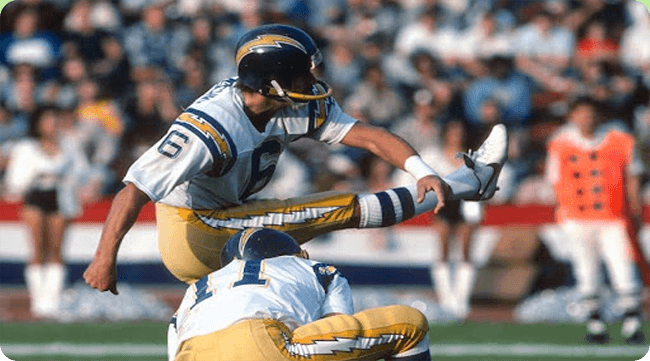
Former NFL Kicker
Former NFL Kicker, Walter Payton Man of the Year, Grateful Ostomy Patient
First few weeks can be very depressing
Jonathan shares his fear of never being able to leave the house after his ostomy surgery.
Jonathan shares his story leading up to his ostomy surgery.
Watch Jonathan’s incredible 7 marathons in 7 days on 7 continents journey to raise funds for ostomy patients (the teddy bear he carries has an ostomy!)
Roadmap to Recovery
Take a few more steps today than you did yesterday.
• A common concern is how to manage possible gas or odor coming from the pouch after colostomy or ileostomy surgery.
• You should only notice odors when emptying or changing your ostomy pouching system.
• Consider using odor eliminating products such as pouch deodorants which are made to go into the pouch after every time you empty or change your pouch. Odor eliminating sprays are used when emptying or changing your pouch to reduce odor in the environment around you. These can be helpful when using public restrooms.
• Make sure your pouch has a good seal and is not leaking. It may take some time to find the best pouching system for you. Ideally, your pouching system should have a “wear time” of 3-4 days. If you are having problems with leaks from your pouching system, don’t give up. It can take a while to figure out why your pouch is leaking or if you have the right system. Learn more about managing leaks here.
• Empty your ostomy pouch when ⅓ or ½ full to prevent the weight of the output pulling on the seal and causing a leak.
• The best time to change your pouch is before eating or drinking in the morning. VERY IMPORTANT!
Food and Nutrition
• Certain foods may cause you more gas or odor. Start making a list of foods that cause you problems as you slowly introduce them back into your diet. Click here to see a list of foods that are more likely to cause gas and odor.
• To reduce gas, avoid chewing gum, drinking with straws, drinking carbonated beverages, smoking or chewing tobacco, eating too fast, and skipping meals. Missing meals can cause the small intestine to be more active and increase gas and watery stools. The “lag time” from eating a gas-producing food to the actual release of gas is two to four hours for ileostomy patients, and six to eight hours for colostomy patients.
Potential Complications
Be vigilant so you can stay out of the hospital
These potential complications may be preventable if you recognize the warning signs early and take the appropriate action.
1. Dehydration. One out of three ileostomy patients will be readmitted to the hospital for dehydration within 30 days of their operation. Learn how to stay hydrated here.
Learn more about hydration from our dietitian, Danielle.
2. Skin problems. Peristomal skin is the skin surrounding your stoma and should look and feel just like the skin on the rest of your abdomen (not irritated or red). Learn more about how to care for your peristomal skin and catch any problems early so they can be addressed.
3. Hernia. This happens when an organ or other tissue pushes through your abdominal muscles and creates a bulge. Since having ostomy surgery increases your risk of developing a hernia, you will want to follow these guidelines:
• Limit your lifting to 5-10 lbs. for the first 4-6 weeks post-surgery (or as directed by your surgeon) and always use proper lifting technique.
• Support the area around your stoma if you sneeze, cough, or laugh by squeezing a folded blanket or pillow.
Learn more about hernias and how to protect yourself here.
Hear Nurse Melody talk about hernias and how to prevent them here.
4. Problem Solving. You may encounter problems like skin irritation, leaks, no output and others. Click here for more details.
5. Medical Emergencies.Review this list so you will know when to call your surgeon/nurse or go to the nearest emergency room.
Embracing Ostomy Life Goals
Goals for Today
1. Establishing a daily routine that helps to manage possible gas or odor issues can improve your confidence in public situations.
2. Work toward independence on changing your pouch.
• “What if” questions can be a big hurdle when re-entry anxiety is present. Common “what if” questions are:
“What if I have a leak in public?”
“What if I don’t know what to do?”
“What if I don’t have any of my supplies?”
“What if people make fun of me?”
• Write down your own “what if” questions, then spend time brainstorming practical answers to them. Think through situations and what you might do or say, allowing lots of flexibility and as many creative ideas as you can. The more flexibility we allow with our “what if” responses here, the more flexible and creative we can be in the moment…and remember that your ostomy likely saved your life and gave you a second chance to live a healthy and pain-free life.
• Consider keeping a journal chronicling your own thoughts and feelings. Need a place to start? Make a list of all the things you are grateful for today.
How helpful was today’s message for your recovery?
We offer our sincerest thanks to Joan Scott — a kind ostomate and brilliant writer — for allowing us to include excerpts of, her book, “The Ostomy Raft”, in Alive & Kicking. To purchase a copy filled with tons of practical tips for living with an ileostomy or colostomy, click the button below.
Rolf Benirschke is a former NFL Man of the Year and All-Pro placekicker who played 10 seasons in the NFL for the San Diego Chargers. His career was briefly interrupted when he was diagnosed with Crohn’s Disease that required ileostomy surgery in his third season. Remarkably, Rolf returned to play seven more years with the Chargers, becoming the first ever professional athlete to play with an ostomy appliance. He has been an outspoken champion of the ostomy community for the past 40 years and created Embracing Ostomy Life™ to provide the hope, education and encouragement to ensure that no one goes through ostomy surgery alone.
Join Team HOPE
Do you wish you could connect with someone like you who has an ostomy and similar life goals? You can! Our Team HOPE (Helping Ostomates through Peer Encouragement) program can pair you with a volunteer who has an ostomy that will listen, empathize and suggest resources to help you along your journey.