Don’t be afraid to ask questions—this is all new for you. Lean on your care team for help and don’t get discouraged if you are having trouble retaining what you are learning or if you experience some minor complications along the journey. Recovery is never a straight line, and we will be with you every step of your journey. Like any skill, mastering changing your pouch will come with practice and repetition. Focus on getting through the day. You can do this! Try to be patient and kind to your nurses. They are incredibly valuable to your recovery even though they will ask you to do some things that might be painful at first. They know what will help you recover quicker and are committed to helping you with all their experience and training.
I’m very excited to introduce you today to my friend, Jonathan Negretti, who ran seven marathons on seven continents in seven consecutive days…WITH AN OSTOMY! You don’t need to think about anything nearly that ambitious right now – just try to do a little more than you did yesterday. And if you are still a bit hesitant about looking at your stoma, I want you to know that’s completely normal. You might enjoy hearing the reaction of a very tough guy when he saw his stoma for the first time when he was in the hospital. You are not alone!
Former NFL Kicker
Former NFL Kicker, Walter Payton Man of the Year, Grateful Ostomy Patient
Shock and Shuffle
Even a guy as tough as Jonathan Negretti who ran 7 marathons in 7 consecutive days on 7 different continents with an ostomy battled discouragement when he saw his stoma for the first time.
Seeing Stoma for the First Time – Jonathan Negretti
Jonathan Negretti Story
Walk to the Nurses Station and More – Jonathan Negretti
Roadmap to Recovery
Take a few more steps today than you did yesterday.
Sleep — Turn off your phone and don’t feel like you need to respond to every text message or voicemail.
It’s important for you to support and protect your abdominal area as you recover. Watch this video to learn how to brace yourself if you have to cough or sneeze.
• In the days immediately following your surgery, the output in your pouch will be more liquidy and will require you to empty your pouch a little more often, sometimes 8-10 times per day. The stool will gradually become thicker over the next few weeks. There are some foods that can help make the stool thicker or thinner, but if changes to your diet do not improve stools, then your doctor may be able to recommend some medications to help.
• When you first start eating solid foods, avoid foods that are high in fiber, such as whole grains, dried beans, and most raw vegetables and fruits.
• While you heal, you should also avoid any foods that cause you to experience odor, gas, or diarrhea.
• A “blockage” (also referred to as an obstruction) occurs when normal movement of food, fluid or gas is prevented from occurring within the bowel – think of a clogged drainpipe. It can cause discomfort or become serious enough to require medical attention.
There are two ways to minimize your risk of blockage:
Avoid foods that can cause blockages like raw fruits and vegetables, whole grains, and nuts. See a complete list here.
Embracing Ostomy Life Goals
Goals for Today
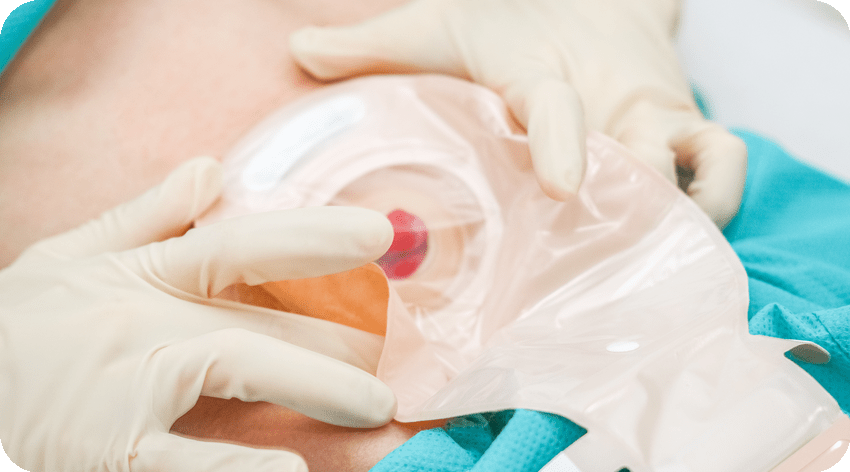
• Become an active participant in your first pouch change, ideally with your ostomy nurse (WOCN) helping to guide you. The more hands-on practice you have, the more confident you will feel when you head home. Learn how to change your pouch here:
Peristomal skin is the skin around your stoma and should look just like the rest of the skin on your abdomen. Keeping your peristomal skin healthy is really important in adjusting to your new appliance. Healthy skin will allow your pouch to adhere to your abdomen properly, help prevent leaks, and will affect your confidence and your comfort. Click here for a helpful guide to assess your peristomal skin.
Don’t Worry about Tomorrow
Thoughts for Today
If you haven’t already, you will soon be taught how to manage your ostomy, including draining and changing your pouch. All of this starts with the first look at your new body. Take your time and consider having a parent or spouse or good friend with you the first few times you change your pouch. You may feel shock, regret, anger, fear, sadness, uncertainty, or loneliness. Or you may feel relief, happiness, excitement, freedom, or a renewed sense of hope. More likely, you will feel a combination of these feelings. It is important to remember that feelings are temporary, change frequently, and are not facts. Whatever you feel during your first look is just that…and it will change over time. You might want to journal about your feelings or talk to someone about what you are feeling.
How helpful was today’s message for your recovery?
We offer our sincerest thanks to Joan Scott — a kind ostomate and brilliant writer — for allowing us to include excerpts of, her book, “The Ostomy Raft”, in Alive & Kicking. To purchase a copy filled with tons of practical tips for living with an ileostomy or colostomy, click the button below.
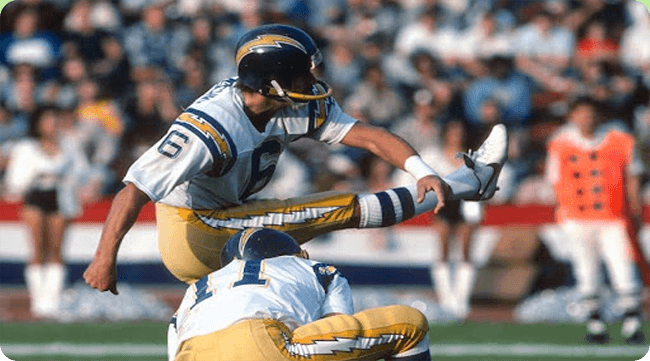
Rolf Benirschke is a former NFL Man of the Year and All-Pro placekicker who played 10 seasons in the NFL for the San Diego Chargers. His career was briefly interrupted when he was diagnosed with Crohn’s Disease that required ileostomy surgery in his third season. Remarkably, Rolf returned to play seven more years with the Chargers, becoming the first ever professional athlete to play with an ostomy appliance. He has been an outspoken champion of the ostomy community for the past 40 years and created Embracing Ostomy Life™ to provide the hope, education and encouragement to ensure that no one goes through ostomy surgery alone.
Join Team HOPE
Do you wish you could connect with someone like you who has an ostomy and similar life goals? You can! Our Team HOPE (Helping Ostomates through Peer Encouragement) program can pair you with a volunteer who has an ostomy that will listen, empathize and suggest resources to help you along your journey.