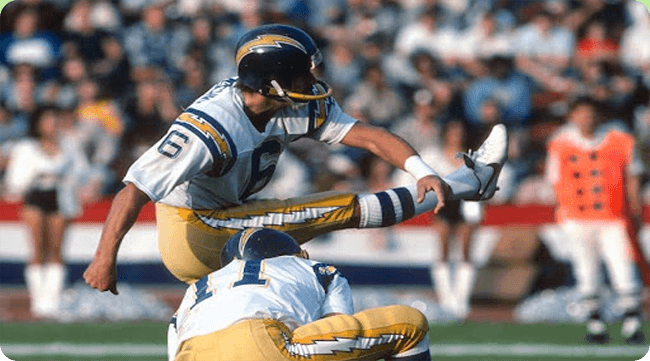
I hope you are getting more comfortable with your ostomy every day and gaining confidence in your ability to empty and change your pouch. If you’ve ventured out to the grocery store or to visit a friend or gone out for lunch, good for you! You’ve taken a huge first step! Your first trips out or doing anything for the first time since your surgery, for that matter, can seem daunting! I will never forget the first time I had to take a shower in the locker-room after my operation. I sat in my locker for several minutes trying to build up my courage, knowing this would be the first time my teammates would see me wearing a pouch. I knew I had to take a shower and that there was no avoiding the situation, so I “jumped in”, dropped my towel, and turned on the shower. As soon as I stepped in, the playful banter that was going on with other guys in the shower immediately stopped. I pretended not to notice, finished showering and headed back to my locker. It took only a few minutes before one of the guys, a big defensive lineman, approached me and I thought, “Oh no, here it comes.” But instead of teasing me or making fun of me he said, “Whoa Benirschke, I didn’t know you had an ostomy. Man, you got guts to play football with that!” I chuckled a bit, glad the ice had been broken and replied, “Well, I don’t have as many guts as I used to have…but how do you even know what an ostomy is?” He answered, “My mother has one.” That lighthearted moment meant so much to me and changed everything. Instead of feeling judged or ridiculed, I learned that my teammates developed a new respect for me, even those who didn’t really understand what life with an ostomy was like.
My big take-away that day was that people would take their cues from you. When you are open about your ostomy and what you have gone through, most people will be touched or inspired by what you have overcome.
Former NFL Kicker
Former NFL Kicker, Walter Payton Man of the Year, Grateful Ostomy Patient
Story of the Day
Peter Yarrow, of Peter, Paul and Mary
Hear from internationally acclaimed folk singer, Peter Yarrow, on how he embraces his ostomy life!
Potential Complications
Be vigilant so you can stay out of the hospital
These potential complications may be preventable if you recognize the warning signs early and take the appropriate action.
1. Dehydration. One out of three ileostomy patients will be readmitted to the hospital for dehydration within 30 days of their operation. Learn how to stay hydrated here.
Learn more about hydration from our dietitian, Danielle.
2. Skin problems. Peristomal skin is the skin surrounding your stoma and should look and feel just like the skin on the rest of your abdomen (not irritated or red). Learn more about how to care for your peristomal skin and catch any problems early so they can be addressed.
3. Hernia. This happens when an organ or other tissue pushes through your abdominal muscles and creates a bulge. Since having ostomy surgery increases your risk of developing a hernia, you will want to follow these guidelines:
• Limit your lifting to 5-10 lbs. for the first 4-6 weeks post-surgery (or as directed by your surgeon) and always use proper lifting technique.
• Support the area around your stoma if you sneeze, cough, or laugh by squeezing a folded blanket or pillow.
Learn more about hernias and how to protect yourself here.
Hear Nurse Melody talk about hernias and how to prevent them here.
4. Problem Solving. You may encounter problems like skin irritation, leaks, no output and others. Click here for more details.
5. Medical Emergencies.Review this list so you will know when to call your surgeon/nurse or go to the nearest emergency room.
Ostomy Life
Out and About including public bathrooms, driving, and returning to work
• Changing an appliance or even just emptying a pouch in a public bathroom can feel like a challenge. Stalls are cramped, there’s usually nowhere to prop up a mirror if you use one or lay out supplies, and toilets are often very low. If you have no option, do the best you can, even if it’s a “quick & dirty” job. Then check it out as soon as you get home. You may need to do a more thorough cleaning or change the appliance entirely.
• Using a handicapped bathroom is much easier as these facilities often include a shelf and oftentimes even a sink. The toilets can be higher, so easier to get on and off of for someone who has recently had abdominal surgery. There’s also usually a bar to grab onto for that reason, too. Plus, just having more space and privacy is a big help.
• Returning to work presents a few unique challenges. Read some tips here that can help make it easier.
• Getting back on the road and driving after ostomy surgery is a great feeling as it reinforces our need for independence and helps us feel like life is getting back to normal. Wearing your seatbelt is important and sometimes a concern for ostomates depending on the placement of your stoma. The belt should sit across your hip bone and your pelvis, not your abdomen and stoma. If you are looking for a little extra stoma protection, check out a seat belt pad – there are some made specifically designed for this purpose.
Getting to know your ostomy – What could go wrong?
• Imagine you are at the theater watching a play. During the intermission, you realize that your ostomy bag needs to be changed immediately, and you are not sure you will make it. The line is very long to the restroom. How do you respond?
• Imagine you are trying to use the accessible restroom at a concert. You would like to use this restroom because it is private and has a sink inside. As you open the door to use the private restroom, someone looks at you and says, “You don’t look sick or handicapped.” How do you respond?
• Scout out public places you go to frequently and locate the best bathrooms.
• When you aren’t in a hurry and you know the bathroom won’t be crowded, try a practice run of emptying your pouch and changing your appliance. (This is where your “emergency kit” can come in handy)
We offer our sincerest thanks to Joan Scott — a kind ostomate and brilliant writer — for allowing us to include excerpts of, her book, “The Ostomy Raft”, in Alive & Kicking. To purchase a copy filled with tons of practical tips for living with an ileostomy or colostomy, click the button below.
Rolf Benirschke is a former NFL Man of the Year and All-Pro placekicker who played 10 seasons in the NFL for the San Diego Chargers. His career was briefly interrupted when he was diagnosed with Crohn’s Disease that required ileostomy surgery in his third season. Remarkably, Rolf returned to play seven more years with the Chargers, becoming the first ever professional athlete to play with an ostomy appliance. He has been an outspoken champion of the ostomy community for the past 40 years and created Embracing Ostomy Life™ to provide the hope, education and encouragement to ensure that no one goes through ostomy surgery alone.
Join Team HOPE
Do you wish you could connect with someone like you who has an ostomy and similar life goals? You can! Our Team HOPE (Helping Ostomates through Peer Encouragement) program can pair you with a volunteer who has an ostomy that will listen, empathize and suggest resources to help you along your journey.