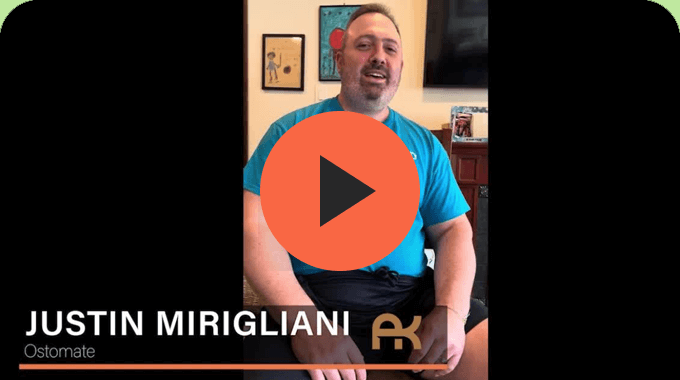
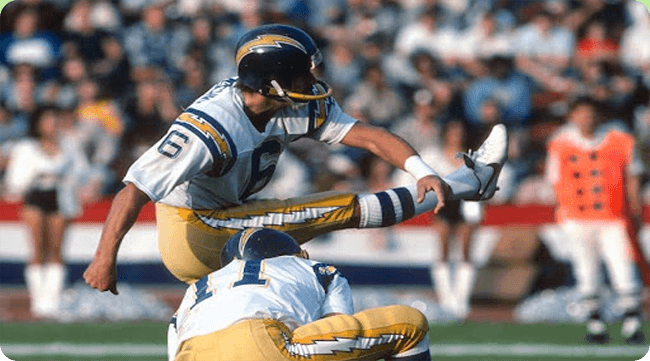
Today I want to share a concept with you that I call “bitter” vs. “better” and it revolves around a choice only you can make. And look, I know what it feels like to choose “bitter” because I did for a long time after my surgery. I was 24 years old and felt my entire life had been taken from me. I was playing professional football in the NFL; our team was good, and I had a bright future ahead of me. And I wanted to get married and have a family one day and doubted that anyone would ever want to marry a guy with two ostomy bags hanging on his sides. I truly wished that I had died.
But as my recovery progressed and I healed physically from the surgery my mindset began to shift from “bitter” to “better” when I stopped asking “Why Me?” and started asking “What Now?” You may not be ready to make that shift yet and if not, that is OK as everyone reaches that turning point in their own time. I encourage you to make small decisions each day that will move you in that direction. The sooner you get there, the happier you will be.
Take a moment to make a list (even if it’s in your mind) of all the things you are bitter about – then turn the page and think about where you can make a conscious decision to “choose better”. And remember, even though you choose “better” you will still have some ups and downs. Your recovery is not going to be a straight line. Hang in there!
Former NFL Kicker
Former NFL Kicker, Walter Payton Man of the Year, Grateful Ostomy Patient
You Always have a Choice
You always have a choice to choose Better over Bitter and you get to make that choice every day for the rest of your life! If you are feeling bitter, don’t beat yourself up, we all feel that way at times! Try to focus on small things you are grateful for, and you will slowly start moving towards choosing “better.
Bitter or Better – Rolf Benirschke
Bitter or Better – Justin Mirigliani
Roadmap to Recovery
Take a few more steps today than you did yesterday.
Take a few more steps today than you did yesterday. Sit up in the chair longer and keep moving a little more each day! Nurse Melody shares her tip.
It’s important for you to support and protect your abdominal area as you recover. Watch this video to learn how to brace yourself if you have to cough or sneeze.
May be preventable if you recognize the warning signs early and take the appropriate action
1. Skin problems. Peristomal skin is the skin surrounding your stoma and should look and feel just like the skin on the rest of your abdomen (not irritated or red). Learn more about how to care for your peristomal skin and catch any problems early so they can be addressed.
2. Hernia. This happens when an organ or other tissue pushes through your abdominal muscles and creates a bulge. Since having ostomy surgery increases your risk of developing a hernia, you will want to follow these guidelines:
• Limit your lifting to 5-10 lbs. for the first 4-6 weeks post-surgery (or as directed by your surgeon) and always use proper lifting technique.
• Support the area around your stoma if you sneeze, cough, or laugh by squeezing a folded blanket or pillow.
Learn more about hernias and how to protect yourself here.
Hear Nurse Melody talk about hernias and how to prevent them here.
3. Urinary Tract Infection (UTI). About 25% of patients with a urostomy have a urinary tract infection (UTI) each year. The symptoms usually are fever, pain, and strong-selling urine. Diabetes increases the risk of a UTI.
• Drink at least 8 glasses of fluids each day.
• Eat food and drink fluids that inhibit the growth of bacteria. Examples include cranberry juice, blueberries, peppers, cherries, tomatoes, and sweet potatoes.
CALL YOUR HEALTH CARE PROVIDER IMMEDIATELY IF YOU THINK YOU HAVE A UTI
4. Dehydration. Dehydration is a common reason why patients with a urostomy return to the hospital. Dehydration occurs when your body loses more fluid than it takes in.
Signs of dehydration:
• Being thirsty
• A dry mouth
• Decreased urine output
• Dizziness when standing up
• Muscle or abdominal cramps
5. Diarrhea. is common because part of your intestine was removed and re-routed to make the urinary diversion. This can affect the absorption of fluids from your intestine, resulting in watery stools. Vomiting and nausea are also common in the first few weeks following a urostomy. Patients often report having a loss of appetite and experience weight loss.
6. Nausea/Vomiting . following a urostomy, patients sometimes report weight loss, tasting food differently and feeling nausea or full soon after eating. It is not unusual to lose 15-20 pounds after surgery.
Learn more about hydration from our dietitian, Danielle.
7. Problem Solving. You may encounter problems like skin irritation, leaks, no output and others. Click here for more details.
8. Medical Emergencies.Review this list so you will know when to call your surgeon/nurse or go to the nearest emergency room.
Embracing Ostomy Life Goals
Goals for Today
1. Continue to manage your pain. It’s easier to stay ahead of the pain than to try to catch up.
2. Make sure you have the best fitting appliance for your ostomy. Hear Nurse Melody and Nurse Joy talk about trial and error for selecting the best appliance.
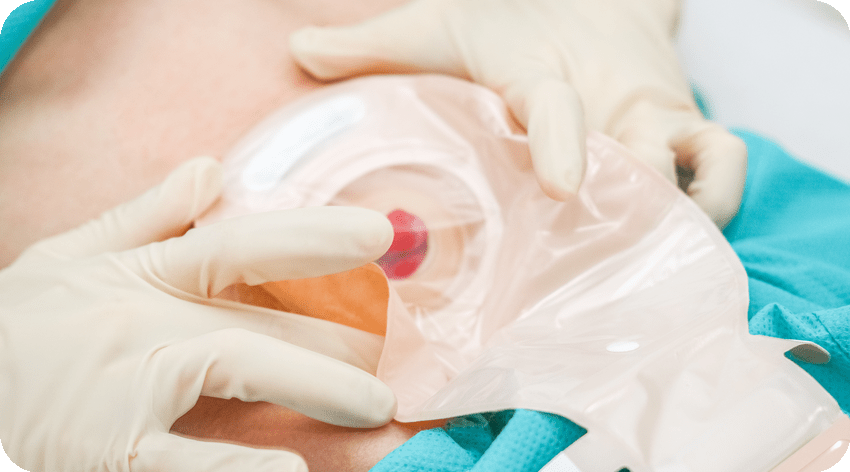
3. If you haven’t been an active participant in changing your pouch yet, now’s the time! Practice changing your pouch system with assistance from your WOCN. I remember my first pouch change took nearly an hour and my mom and I were both in tears. Be patient with yourself and your caregiver. This will become as routine as brushing your teeth – trust me on this. Learn how to empty and change your pouch here.
I remember my first pouch change took nearly an hour and my mom and I both ended up in tears. Be patient with yourself and your caregiver. This will become as routine as brushing your teeth – trust me on this.
Rolf
(Ileostomy)
Ostomy Terms you Want to Know
Baseplate/Faceplate/Skin Barrier/Wafer
All of these are different names for the part of your ostomy appliance that adheres to your peristomal skin and becomes the attachment point for your pouch. There are many different types of baseplates including moldable, pre-cut and cut-to-fit.
• Maintain Hope. Regardless of all that has happened, when you look to the future, believe it will be bright.
• Practice Boundaries. Avoid those that bring negative perspectives or attitudes and maintain a level of kindness and positive perspective within yourself.
• Be kind to yourself. As you speak kindly to yourself and offer yourself compassion, you will notice that you build resilience, respond kindly to yourself more often, and encourage yourself when needed.
How helpful was today’s message for your recovery?
We offer our sincerest thanks to Joan Scott — a kind ostomate and brilliant writer — for allowing us to include excerpts of, her book, “The Ostomy Raft”, in Alive & Kicking. To purchase a copy filled with tons of practical tips for living with an ileostomy or colostomy, click the button below.
Rolf Benirschke is a former NFL Man of the Year and All-Pro placekicker who played 10 seasons in the NFL for the San Diego Chargers. His career was briefly interrupted when he was diagnosed with Crohn’s Disease that required ileostomy surgery in his third season. Remarkably, Rolf returned to play seven more years with the Chargers, becoming the first ever professional athlete to play with an ostomy appliance. He has been an outspoken champion of the ostomy community for the past 40 years and created Embracing Ostomy Life™ to provide the hope, education and encouragement to ensure that no one goes through ostomy surgery alone.
Join Team HOPE
Do you wish you could connect with someone like you who has an ostomy and similar life goals? You can! Our Team HOPE (Helping Ostomates through Peer Encouragement) program can pair you with a volunteer who has an ostomy that will listen, empathize and suggest resources to help you along your journey.