Being prepared and educated can help you avoid complications
I trust by now that you’ve heard and read enough to convince you that you will return to the life you loved before your surgery. But let’s face it, there are some differences since part of your intestines have been removed! So just like a fair skinned person must take extra precautions in the sun we need to be mindful of some potential complications/inconveniences we need to be prepared for and know what actions to take if it happens to us.
Just hearing the words “intestinal blockage” causes anxiety for anyone who has an ostomy (particularly an ileostomy)…and even those who do not! I have had several blockages since my surgeries and remember how scary the first one was. It was very painful and made worse because I did not understand what was happening. It began with a dull abdominal ache, a rumbly, gurgly stomach, and slowly moved to more pain, sweat, and a fever. Since I hoped it would pass, I did not reach out to my physician right away. When I finally spoke with him, he recommended I drink lots of fluids, not eat anything, take a warm bath, and try putting a hot water bottle or heating pad on my abdomen. That blockage resolved quickly, but I determined to learn more about blockages, what caused them, and what I could do to avoid having another one!
Even after researching ileostomy blockages and knowing what could cause one, I remember another time where I experienced a blockage that was clearly self-induced. Even in the time leading up to it, a little voice was telling me to “be careful” but I didn’t listen to myself. After a long day on the golf course, with a lot of walking in the hot sun, I had gotten dehydrated. Upon returning to the clubhouse, I was thirsty and hungry, so I started in on a bowl of nuts. I knew it was not a wise choice, but I was craving salt, and they were sitting right there. Despite chewing the nuts diligently and trying to hydrate at the same time, blockage symptoms began building over the next few hours and soon it was hard to straighten up. I KNEW I should have been more careful and was kicking myself for eating the nuts KNOWING nuts are hard to digest and that it could lead to a blockage.
You’ve probably heard the football saying, “The best offense is a good defense.” That is a good way to think about blockages. Get educated, know what foods we have a hard time digesting, (mushrooms, nuts, popcorn, fruits with skins, and certain vegetables are a few) and pay attention to your body. If you do experience a blockage, all is not lost. Try to think back on what you might have eaten and remember so you can reduce your chances of having it happen again…and don’t be foolish like I was!
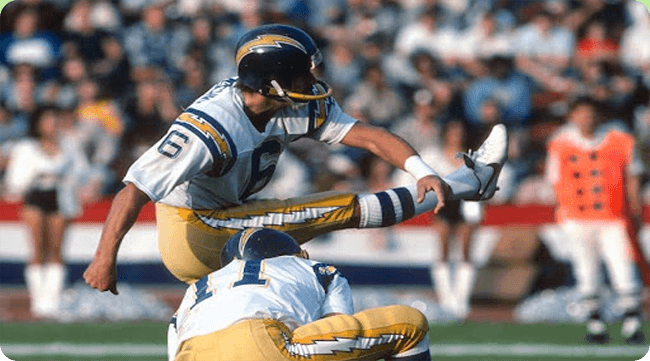
Former NFL Kicker
Former NFL Kicker, Walter Payton Man of the Year, Grateful Ostomy Patient
Rolf’s Ostomy Journey
Today I’d like to share my ostomy journey with you. You likely already know that I played in the NFL for 10 years but in my second season was diagnosed with Crohn’s Disease that would eventually require emergency ostomy surgery halfway through my third season. My recovery journey was a very difficult one, but I would not trade the experience, even if I had that opportunity, because of how it changed me. I hope my story will encourage you and fill you with hope as you live out your own story.
Potential Complications
May be preventable if you recognize the warning signs early and take the appropriate action
1. Skin problems. Peristomal skin is the skin surrounding your stoma and should look and feel just like the skin on the rest of your abdomen (not irritated or red). Learn more about how to care for your peristomal skin and catch any problems early so they can be addressed.
2. Hernia. This happens when an organ or other tissue pushes through your abdominal muscles and creates a bulge. Since having ostomy surgery increases your risk of developing a hernia, you will want to follow these guidelines:
• Limit your lifting to 5-10 lbs. for the first 4-6 weeks post-surgery (or as directed by your surgeon) and always use proper lifting technique.
• Support the area around your stoma if you sneeze, cough, or laugh by squeezing a folded blanket or pillow.
Learn more about hernias and how to protect yourself here.
Hear Nurse Melody talk about hernias and how to prevent them here.
3. Urinary Tract Infection (UTI). About 25% of patients with a urostomy have a urinary tract infection (UTI) each year. The symptoms usually are fever, pain, and strong-selling urine. Diabetes increases the risk of a UTI.
• Drink at least 8 glasses of fluids each day.
• Eat food and drink fluids that inhibit the growth of bacteria. Examples include cranberry juice, blueberries, peppers, cherries, tomatoes, and sweet potatoes.
CALL YOUR HEALTH CARE PROVIDER IMMEDIATELY IF YOU THINK YOU HAVE A UTI
4. Dehydration. Dehydration is a common reason why patients with a urostomy return to the hospital. Dehydration occurs when your body loses more fluid than it takes in.
Signs of dehydration:
• Being thirsty
• A dry mouth
• Decreased urine output
• Dizziness when standing up
• Muscle or abdominal cramps
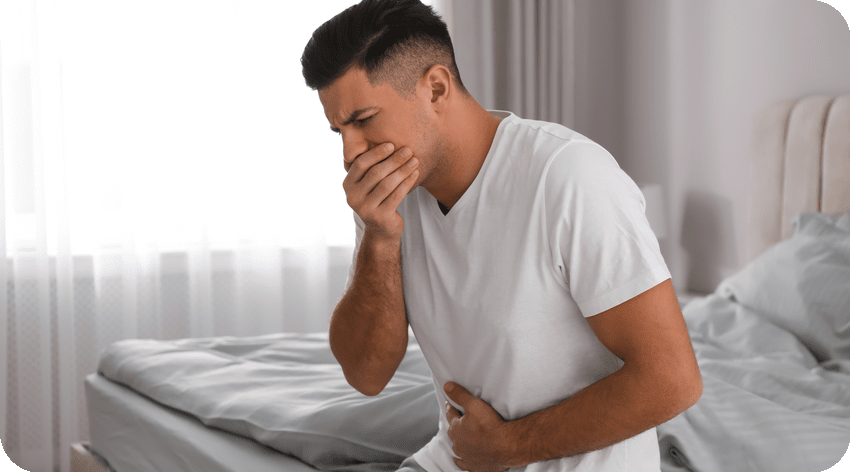
5. Diarrhea. is common because part of your intestine was removed and re-routed to make the urinary diversion. This can affect the absorption of fluids from your intestine, resulting in watery stools. Vomiting and nausea are also common in the first few weeks following a urostomy. Patients often report having a loss of appetite and experience weight loss.
6. Nausea/Vomiting . following a urostomy, patients sometimes report weight loss, tasting food differently and feeling nausea or full soon after eating. It is not unusual to lose 15-20 pounds after surgery.
Learn more about hydration from our dietitian, Danielle.
7. Problem Solving. You may encounter problems like skin irritation, leaks, no output and others. Click here for more details.
8. Medical Emergencies.Review this list so you will know when to call your surgeon/nurse or go to the nearest emergency room.
Ostomy Life
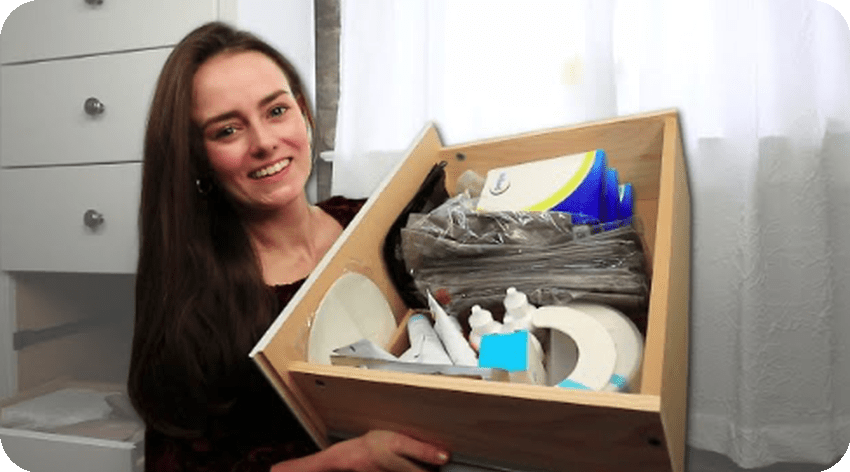
Organizing Your Supplies
Everyone has their own system for storing their ostomy supplies and getting organized will give you peace of mind. Here are some helpful tips from other ostomates:
Stay hydrated so you don’t end up back in the hospital! Review everything you need to know in about five minutes from Danielle, our IBD Registered Dietitian/Nutritionist and if you find you need to step up your hydration you can click here to get info/recipes for oral rehydration solutions. → Watch the video.
How will your ostomy change you?
I shared the importance of hope in my story today. Take a few minutes to reflect on what “kernels of hope” you have seen thus far. And keep looking for more in the days to come!
How helpful was today’s message for your recovery?
We offer our sincerest thanks to Joan Scott — a kind ostomate and brilliant writer — for allowing us to include excerpts of, her book, “The Ostomy Raft”, in Alive & Kicking. To purchase a copy filled with tons of practical tips for living with an ileostomy or colostomy, click the button below.
Rolf Benirschke is a former NFL Man of the Year and All-Pro placekicker who played 10 seasons in the NFL for the San Diego Chargers. His career was briefly interrupted when he was diagnosed with Crohn’s Disease that required ileostomy surgery in his third season. Remarkably, Rolf returned to play seven more years with the Chargers, becoming the first ever professional athlete to play with an ostomy appliance. He has been an outspoken champion of the ostomy community for the past 40 years and created Embracing Ostomy Life™ to provide the hope, education and encouragement to ensure that no one goes through ostomy surgery alone.
Join Team HOPE
Do you wish you could connect with someone like you who has an ostomy and similar life goals? You can! Our Team HOPE (Helping Ostomates through Peer Encouragement) program can pair you with a volunteer who has an ostomy that will listen, empathize and suggest resources to help you along your journey.