I can imagine that from where you are sitting right now, life may seem terribly out of control and not make much sense. I have learned that most of us live our lives driving between the guardrails of life, maybe bouncing off one rail or the other and occasionally hitting a bump, but pretty much staying on the road. It isn’t until we figuratively “crash” through those guardrails and end up in the ditch when you look around and ask, “What just happened”? We wonder how anything good could ever come from this “crash”.
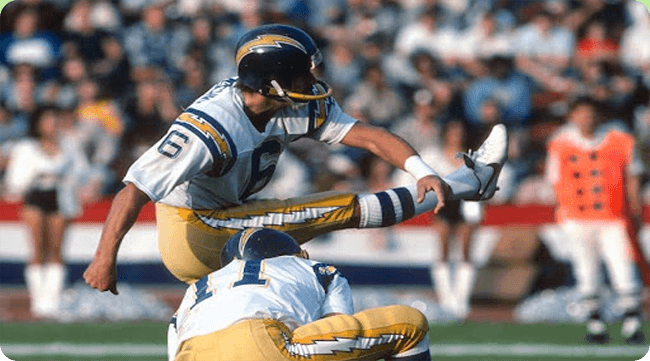
You may have had your immediate life all planned out, just like I did before I was hospitalized during the third season of what was shaping up to be a very promising NFL career. When I woke up from my surgery with wire sutures holding my twelve-inch scar on my abdomen together and two ostomy pouches hanging on my sides, things changed instantly and I remember wondering, “What just happened?” as I cried out in frustration. “This was not in the plan!”
The story I want to share with you today is about “perspective” and how watching a marching band can help you visualize where you are in your journey right now. When you are on the field of a game and at the same level as the band, you don’t have a good perspective of what is really happening. Everything seems like utter confusion. Band members are marching this way and that, with seemingly no order or reason for their movements. And, because you are so close to the individual instruments, they sound awful as well. But if you climb to the upper deck of the stadium, the perspective is VERY different. Suddenly, it all makes sense, and everything looks and sounds beautiful! Right now, you can’t possibly have the proper perspective of what is happening to your life. You are in the middle of the band, just trying to keep from getting run over by the tuba player and there is simply no way to see how this can possibly turn out well.
As someone who has gained the gift of perspective from personal experience and from having spoken to so many other ostomy patients, I need you to trust me here. This will pass and one day you too will have the opportunity to stand on the upper deck, look back at your own life, and see for yourself how this very difficult chapter in your life changed you, and contributed to your own beautiful story.
Former NFL Kicker
Former NFL Kicker, Walter Payton Man of the Year, Grateful Ostomy Patient
When Life doesn’t make sense
Story of the Day
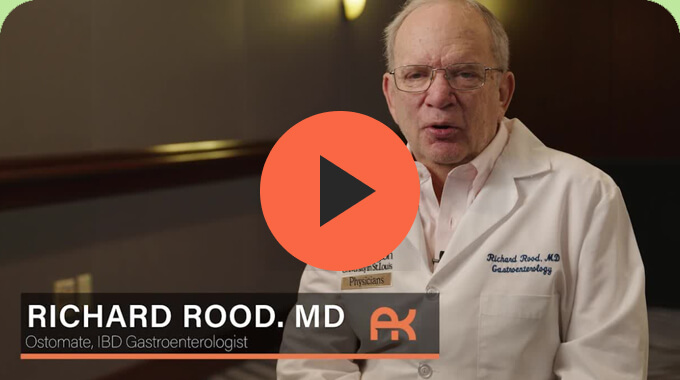
Meet Dr. Richard Rood
I’m thrilled to introduce you today to Dr. Richard Rood, an IBD Gastroenterologist who has an ostomy! His patients are so lucky to have him as their physician because he knows EXACTLY what they are going through.
Potential Complications
May be preventable if you recognize the warning signs early and take the appropriate action
1. Skin problems. Peristomal skin is the skin surrounding your stoma and should look and feel just like the skin on the rest of your abdomen (not irritated or red). Learn more about how to care for your peristomal skin and catch any problems early so they can be addressed.
2. Hernia. This happens when an organ or other tissue pushes through your abdominal muscles and creates a bulge. Since having ostomy surgery increases your risk of developing a hernia, you will want to follow these guidelines:
• Limit your lifting to 5-10 lbs. for the first 4-6 weeks post-surgery (or as directed by your surgeon) and always use proper lifting technique.
• Support the area around your stoma if you sneeze, cough, or laugh by squeezing a folded blanket or pillow.
Learn more about hernias and how to protect yourself here.
Hear Nurse Melody talk about hernias and how to prevent them here.
3. Urinary Tract Infection (UTI). About 25% of patients with a urostomy have a urinary tract infection (UTI) each year. The symptoms usually are fever, pain, and strong-selling urine. Diabetes increases the risk of a UTI.
• Drink at least 8 glasses of fluids each day.
• Eat food and drink fluids that inhibit the growth of bacteria. Examples include cranberry juice, blueberries, peppers, cherries, tomatoes, and sweet potatoes.
CALL YOUR HEALTH CARE PROVIDER IMMEDIATELY IF YOU THINK YOU HAVE A UTI
4. Dehydration. Dehydration is a common reason why patients with a urostomy return to the hospital. Dehydration occurs when your body loses more fluid than it takes in.
Signs of dehydration:
• Being thirsty
• A dry mouth
• Decreased urine output
• Dizziness when standing up
• Muscle or abdominal cramps
5. Diarrhea. is common because part of your intestine was removed and re-routed to make the urinary diversion. This can affect the absorption of fluids from your intestine, resulting in watery stools. Vomiting and nausea are also common in the first few weeks following a urostomy. Patients often report having a loss of appetite and experience weight loss.
6. Nausea/Vomiting . following a urostomy, patients sometimes report weight loss, tasting food differently and feeling nausea or full soon after eating. It is not unusual to lose 15-20 pounds after surgery.
Learn more about hydration from our dietitian, Danielle.
7. Problem Solving. You may encounter problems like skin irritation, leaks, no output and others. Click here for more details.
8. Medical Emergencies.Review this list so you will know when to call your surgeon/nurse or go to the nearest emergency room.
Getting to know your ostomy – What could go wrong?
Having a lot of hair around your stoma can make removing your wafer a painful experience. It can also prevent your wafer from sticking well to your skin, decreasing your wear time, and increasing the chance of leaks.
Learn how to shave around your stoma if needed:
1. Remove your ostomy pouching system to expose the stoma and surrounding skin. Ostomy adhesive remover spray or wipes can be used to help remove the pouching system and any leftover sticky residue on the skin. Shower or clean the skin around the stoma with warm water. Then dry the skin.
2. Take care not to cut the stoma or skin around it.
3. Use safety scissors or tweezers to cut hair right up next to the stoma.
4. Always shave away from the stoma using an electric razor/trimmer or you can dry shave using a small amount of stoma powder and a safety razor.
5. Never use a straight razor.
6. Clean your razor between uses.
7. Avoid using shaving cream/gels or soap because they can leave a residue which will decrease the stickiness of your wafer.
8. Shave with each ostomy wafer (barrier) change if your hair grows fast.
9. If you notice small, sometimes pus-filled pimples where you shaved, it may be an inflammation of the hair follicles called folliculitis. It is not a big deal, but you might want to contact your WOC nurse or physician regarding treatment. Need help finding a WOC nurse? Click HERE or HERE
Embracing Ostomy Life Goals
Goals for Today
Think about how your perspective may be affecting your emotional state. If you feel like you need a shift to “positivity” consider these tips:
1. Use positive self-talk to increase your confidence and make you feel happier.
2. Remember the marching band and think about this time in your life from a bigger perspective – it can be a difficult chapter in the wonderful story of your life.
3. Remove negativity. Social media can be a great place to find a lot of complainers. Look carefully at the groups you are a part of and make sure they are filling up your positive cup and not draining it through a hole in the bottom!
4. Take care of your body. Your mental well-being has a strong correlation to your physical well-being. Follow nutritional guidelines to eat healthily and get out in the fresh air to enjoy some exercise. Even a short walk can lift your spirits.
5. Do something good for someone else. While much of our time is spent looking inward to improve our mood, you will find that doing something thoughtful for a loved one, a coworker or even an absolute stranger will make you feel better.
We offer our sincerest thanks to Joan Scott — a kind ostomate and brilliant writer — for allowing us to include excerpts of, her book, “The Ostomy Raft”, in Alive & Kicking. To purchase a copy filled with tons of practical tips for living with an ileostomy or colostomy, click the button below.
Rolf Benirschke is a former NFL Man of the Year and All-Pro placekicker who played 10 seasons in the NFL for the San Diego Chargers. His career was briefly interrupted when he was diagnosed with Crohn’s Disease that required ileostomy surgery in his third season. Remarkably, Rolf returned to play seven more years with the Chargers, becoming the first ever professional athlete to play with an ostomy appliance. He has been an outspoken champion of the ostomy community for the past 40 years and created Embracing Ostomy Life™ to provide the hope, education and encouragement to ensure that no one goes through ostomy surgery alone.
Join Team HOPE
Do you wish you could connect with someone like you who has an ostomy and similar life goals? You can! Our Team HOPE (Helping Ostomates through Peer Encouragement) program can pair you with a volunteer who has an ostomy that will listen, empathize and suggest resources to help you along your journey.